
Essential Nutrients for Men's Health
Discover the complete guide to vitamins and minerals that support energy, strength, and vitality. Learn which nutrients your body needs most and how to optimize your nutritional intake for better health outcomes.
- Understand essential vitamins for men's physical performance and endurance
- Explore mineral roles in bone health, muscle function, and metabolism
- Get practical advice on balanced nutrition and dietary optimization

The information on this site is for educational purposes only and does not constitute medical advice. Always consult a qualified healthcare professional before making health decisions.
Why Targeted Nutrition Matters for Men
Men have unique nutritional requirements that differ from general population guidelines. Understanding these needs helps optimize health, energy levels, and long-term wellness.
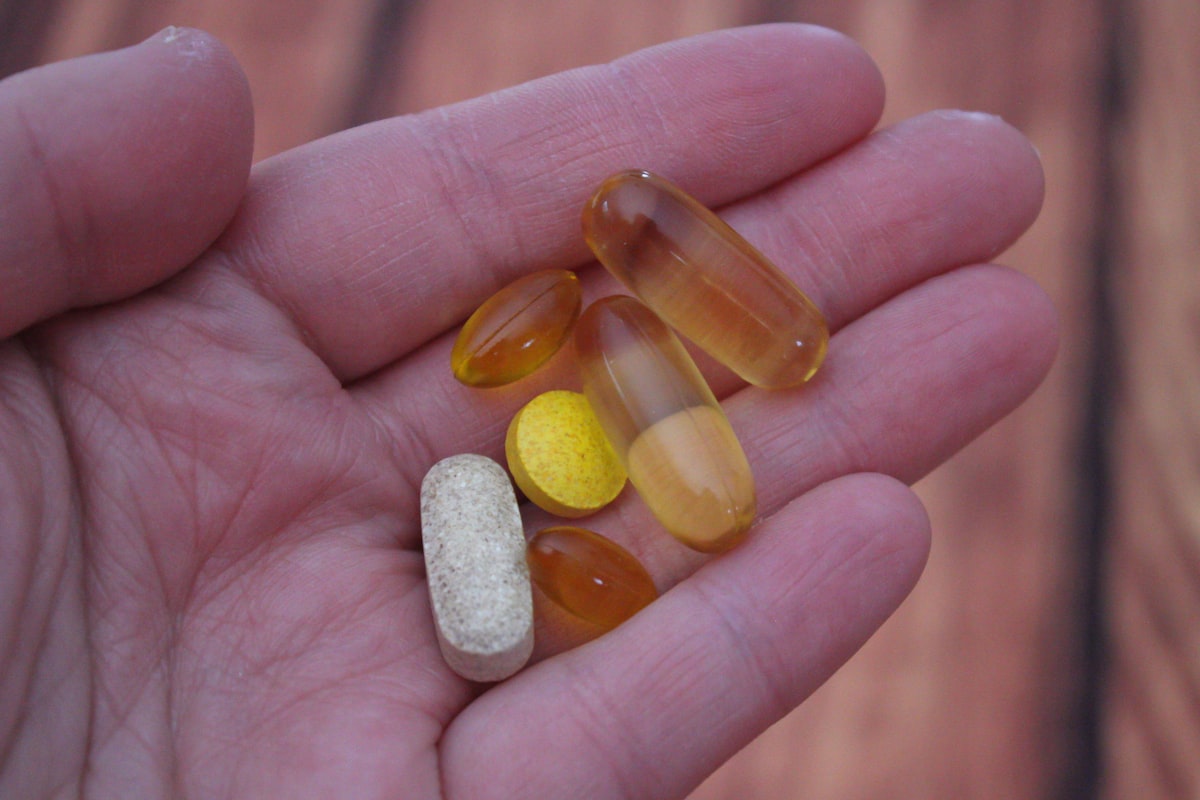
Optimize Your Nutritional Foundation
Men typically require higher amounts of certain minerals like zinc and selenium due to increased metabolic demands and muscle tissue development. These nutrients play crucial roles in energy production, immune support, and hormonal balance.
Energy & Performance
B vitamins and magnesium support cellular energy production and physical endurance.
Strength & Recovery
Protein-paired nutrients like zinc help maintain muscle mass and support post-exercise recovery.
Cardiovascular Health
Potassium, calcium, and folate support heart health and optimal blood circulation.
Top Essential Vitamins for Men
Explore the key vitamins that support men's health, from cognitive function to immune resilience and metabolic efficiency.
Vitamin B Complex
Comprises eight essential vitamins that work synergistically to convert food into cellular energy. Critical for nervous system function and muscle development.
- B1 (Thiamine): Nerve and muscle function
- B6 (Pyridoxine): Protein metabolism
- B12 (Cobalamin): Red blood cell formation
Vitamin D
Known as the "sunshine vitamin," it regulates calcium absorption and supports bone density. Men often have insufficient levels due to limited sun exposure.
- Bone and skeletal health
- Immune system modulation
- Mood and cognitive function
Vitamin C
A powerful antioxidant that protects cells from damage, supports collagen synthesis, and enhances immune response. Essential for athletic recovery.
- Tissue repair and healing
- Iron absorption enhancement
- Exercise recovery support
Vitamin E
A lipid-soluble antioxidant that protects cell membranes from oxidative stress. Supports cardiovascular health and reduces exercise-induced muscle damage.
- Muscle cell protection
- Circulation improvement
- Immune enhancement
Vitamin K
Essential for blood coagulation and bone metabolism. Exists in two forms: K1 from plant sources and K2 from fermented foods and bacteria.
- Blood clotting regulation
- Bone mineralization
- Vascular health
Folate (Vitamin B9)
A B vitamin critical for DNA synthesis and cell division. Supports cardiovascular health by managing homocysteine levels in the blood.
- DNA and RNA synthesis
- Homocysteine metabolism
- Red blood cell formation
Critical Minerals for Men's Wellness
Minerals form the structural foundation of bones, teeth, and tissues while regulating vital physiological processes. Men's needs often exceed general recommendations.
Zinc
The most critical mineral for male health. Required for immune function, testosterone production, and DNA repair. Men lose zinc through perspiration and require consistent intake.
- Immune cell production and function
- Protein synthesis and muscle repair
- Wound healing acceleration
- Sensory perception (taste and smell)
Magnesium
Involved in over 300 enzymatic reactions in the body. Supports muscle relaxation, energy production, and nervous system function. Often deficient in modern diets.
- Muscle contraction and relaxation
- Nervous system regulation
- Energy metabolism support
- Bone structure maintenance
Calcium
The most abundant mineral in the body, essential for skeletal structure and strength. Men's calcium needs increase with age and physical activity levels.
- Bone and teeth formation
- Muscle contraction support
- Blood clotting regulation
- Nerve signal transmission
Iron
Central to hemoglobin production and oxygen transport throughout the body. While men don't menstruate, they lose iron through sweat and cellular turnover.
- Oxygen transport in blood
- Energy metabolism pathways
- Immune function support
- Cognitive function
Potassium
An essential electrolyte that regulates fluid balance, muscle contractions, and heart rhythm. Crucial for athletic performance and cardiovascular health.
- Electrolyte balance
- Blood pressure regulation
- Muscle contraction
- Heart rhythm maintenance
Selenium
A trace mineral with powerful antioxidant properties, primarily found in selenoproteins. Essential for thyroid function and reproduction.
- Antioxidant defense
- Thyroid hormone metabolism
- Reproductive health
- Immune response modulation
Dive Deeper Into Nutritional Science
Explore our comprehensive articles covering nutrient interactions, absorption optimization, and dietary strategies tailored for men's health goals.
Browse Full GuideUnderstanding Nutrient Synergy
Nutrients work best when combined strategically. Learn which vitamins and minerals enhance each other's absorption and effectiveness.
Complementary Combinations
-
Vitamin D + Calcium
Vitamin D enhances calcium absorption in the intestines, essential for bone health.
-
Vitamin C + Iron
Ascorbic acid dramatically improves non-heme iron bioavailability and absorption rates.
-
Magnesium + Vitamin B6
B6 optimizes magnesium absorption and supports its utilization in energy pathways.
-
Zinc + Vitamin A
Zinc is necessary for retinol binding protein, facilitating vitamin A transport and vision.
-
Vitamin K + Fat Sources
Dietary fats enhance the absorption of fat-soluble vitamin K from food sources.
Absorption Inhibitors
-
Phytates & Calcium
Compounds in grains and legumes can bind calcium, reducing bioavailability. Soaking helps.
-
Caffeine & Calcium
High caffeine intake may increase urinary calcium loss, affecting net retention.
-
Oxalates & Iron
Spinach and other high-oxalate foods can inhibit iron absorption when consumed together.
-
Fiber & Mineral Timing
Excess fiber can impair mineral absorption. Consume supplements separately from high-fiber meals.
-
Alcohol & B Vitamins
Chronic alcohol use impairs B vitamin absorption and increases urinary losses.
Optimizing Absorption Timing
Strategic timing can maximize nutrient absorption. Fat-soluble vitamins (A, D, E, K) absorb best with meals containing dietary fats. Water-soluble vitamins and most minerals have different optimal timing windows. Taking supplements with food generally improves tolerance and absorption compared to an empty stomach, except in specific cases.
Quality of food sources matters significantly. Whole foods provide nutrients in naturally optimal ratios with bioactive compounds that enhance absorption. Diversifying sources ensures exposure to different forms of nutrients and complementary phytonutrients that work synergistically for men's health.
Frequently Asked Questions
Common questions about vitamins, minerals, and nutritional strategies for men's health and wellness.
Research consistently shows that men frequently lack Vitamin D due to limited sun exposure and indoor lifestyles. Vitamin B12 deficiency becomes more common with age, particularly in men over 50. Zinc levels also tend to be suboptimal in many adult males, impacting immune function and hormonal balance. Additionally, folate (B9) insufficiency occurs in some populations, affecting cardiovascular health and DNA synthesis. A comprehensive assessment considers individual dietary patterns, lifestyle factors, and specific health objectives.
In theory, a well-planned diet containing diverse whole foods can provide adequate nutrients. However, modern agriculture has reduced micronutrient density in many crops. Additionally, specific life circumstances such as high athletic training, certain medications, digestive challenges, or restricted dietary patterns may increase requirements beyond typical food sources. Seasonal availability, food storage methods, and cooking techniques all affect nutrient retention. Many nutrition experts recommend using food as the primary source while considering strategic supplementation based on individual assessment and specific gaps in diet quality.
Zinc plays essential roles in muscle protein synthesis, immune recovery, and hormonal balance—all critical for athletic adaptation. Men engaged in intense training lose zinc through sweat and increased protein turnover. Magnesium regulates muscle contraction and relaxation, ATP energy production, and nervous system signaling during exercise. Deficiency in either mineral impairs force production, slows recovery, and compromises immune function post-training. Athletes typically benefit from ensuring optimal intake of both minerals, particularly around training windows when demands increase significantly.
Vitamin D receptors are present in tissues throughout the male reproductive system. Studies demonstrate correlations between adequate vitamin D status and healthier testosterone levels. This relationship likely involves multiple mechanisms including genetic expression in testicular cells and support for the Leydig cells that produce testosterone. Seasonal vitamin D variations in many regions correlate with testosterone fluctuations. Additionally, vitamin D supports overall metabolic health and inflammation regulation, both of which indirectly influence hormonal balance. However, vitamin D works within a complex endocrine system, so optimal intake should be combined with other lifestyle factors.
Individual needs vary significantly based on age, activity level, diet quality, health status, and environmental factors. Recommended Dietary Allowances (RDAs) represent average requirements for healthy adults but don't account for individual variation or optimization for peak performance. Some athletes and health-conscious individuals benefit from higher intakes of certain nutrients to support training recovery or fill dietary gaps. The best approach involves assessing personal dietary intake, identifying gaps, and using evidence-based information to determine whether supplementation would be beneficial. Consulting with a nutrition professional familiar with men's health can provide personalized guidance based on comprehensive assessment.
Alcohol affects nutrient status through multiple pathways. It impairs absorption of B vitamins, particularly thiamine (B1), folate (B9), and cobalamin (B12), by damaging the intestinal lining and reducing hepatic storage capacity. Alcohol increases urinary losses of magnesium and other minerals while interfering with activation of vitamin D. Chronic alcohol use depletes antioxidant systems, increasing demands for vitamins C and E. Additionally, alcohol metabolism consumes nutrients needed for other metabolic processes. Even moderate regular consumption can gradually compromise nutrient status in men, particularly affecting energy metabolism, immune function, and cardiovascular health. Moderating intake and ensuring adequate nutrient-dense food sources is important for men who consume alcohol regularly.
Questions or Content Feedback?
Our editorial team welcomes your questions and suggestions for article topics. Help us create even more valuable content for men's health and nutrition.
Contact Our TeamWhat Our Readers Say
Real feedback from men using our nutritional guides and information to optimize their health and wellness.
The comprehensive guide on vitamin D and zinc completely changed how I approach my nutritional strategy. I was unaware of how activity level affects my mineral deficiency. I now feel more energetic and recovered faster from workouts. Highly recommended for anyone serious about their health!"
— Marcus J., Fitness Enthusiast
As a busy professional, I appreciate how Nutrimensuccess breaks down complex nutritional science into actionable insights. The meal planning section saves me hours each week, and my blood work shows measurable improvements!"
— Dr. Patricia L., Healthcare Professional
Ready to Transform Your Nutrition?
Join thousands of people who've achieved their health goals with Nutrimensuccess. Start your journey today and unlock your full potential.